
Doctrina AI

AI online business 2026 with automated tools on laptop screen

No Coding, No Degree Needed: How to Build an AI-Powered Online Business in 2026

Starting an AI online business in 2026 has never been easier. You don’t need a degree or coding skills to launch a profitable online venture. With AI tools handling content creation, marketing, and customer support, anyone can turn an idea into a thriving business. This article explores how you can build an AI-powered online business […]

No Coding, No Degree Needed: How to Build an AI-Powered Online Business in 2026 Read More »
Anthropic Claude Code AI models interface showing AI coding environment

Anthropic Locks Its AI Models to Claude Code Only — What It Means for AI Competition

The artificial intelligence industry is entering a new phase—one defined not just by bigger models or better benchmarks, but by control over ecosystems. One of the most talked-about developments in this shift is Anthropic’s decision to tightly integrate and restrict access to its advanced AI models through Claude Code, its own developer-focused environment. This move

Anthropic Locks Its AI Models to Claude Code Only — What It Means for AI Competition Read More »

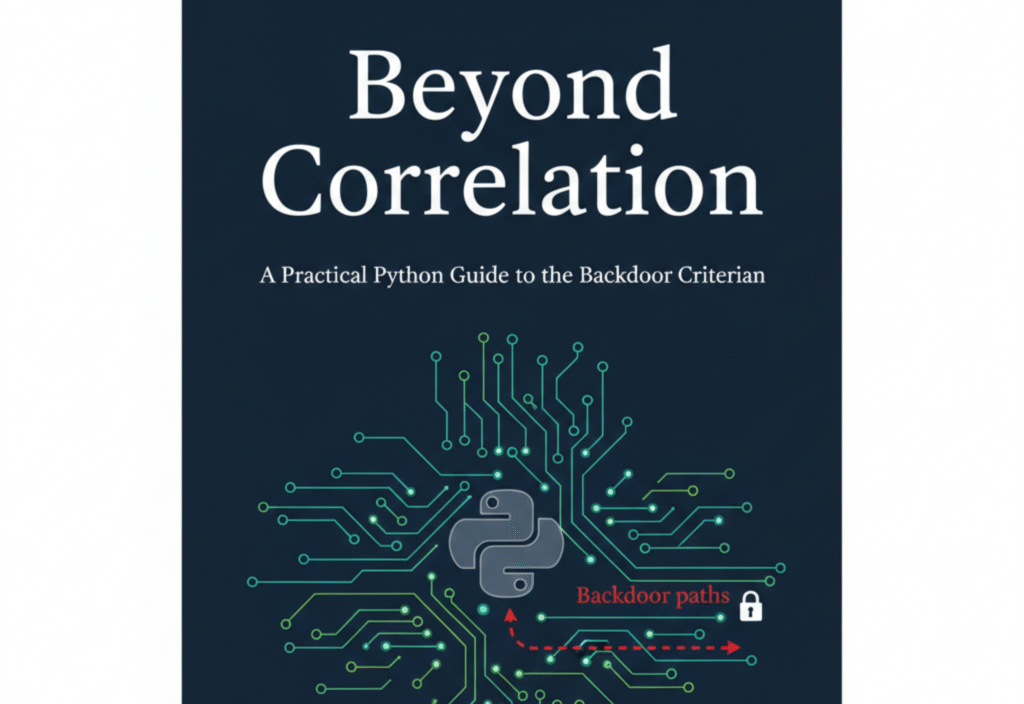
Diagram showing backdoor paths between treatment and outcome variables

Beyond Correlation: A Practical Python Guide to the Backdoor Criterion

Correlation is everywhere in data science, but it often misleads because correlation does not imply causation. To answer real causal questions, we rely on techniques like the Backdoor Criterion in Causal Inference. In this practical guide, you’ll learn what the backdoor criterion is, why it matters, and how to apply it using Python to move

Beyond Correlation: A Practical Python Guide to the Backdoor Criterion Read More »

USC artificial neurons enabling ultra-efficient AI models to run on just 20 watts

USC’s Artificial Neurons Could Let GPT-5 Run on Just 20 Watts: A New Era of Ultra-Efficient AI

USC artificial neurons are emerging as a breakthrough technology that could redefine how powerful AI systems operate. Researchers at the University of Southern California have developed brain-inspired artificial neurons that dramatically reduce energy consumption, making it possible for future models like GPT-5 to run on as little as 20 watts. This shift challenges the long-standing

USC’s Artificial Neurons Could Let GPT-5 Run on Just 20 Watts: A New Era of Ultra-Efficient AI Read More »

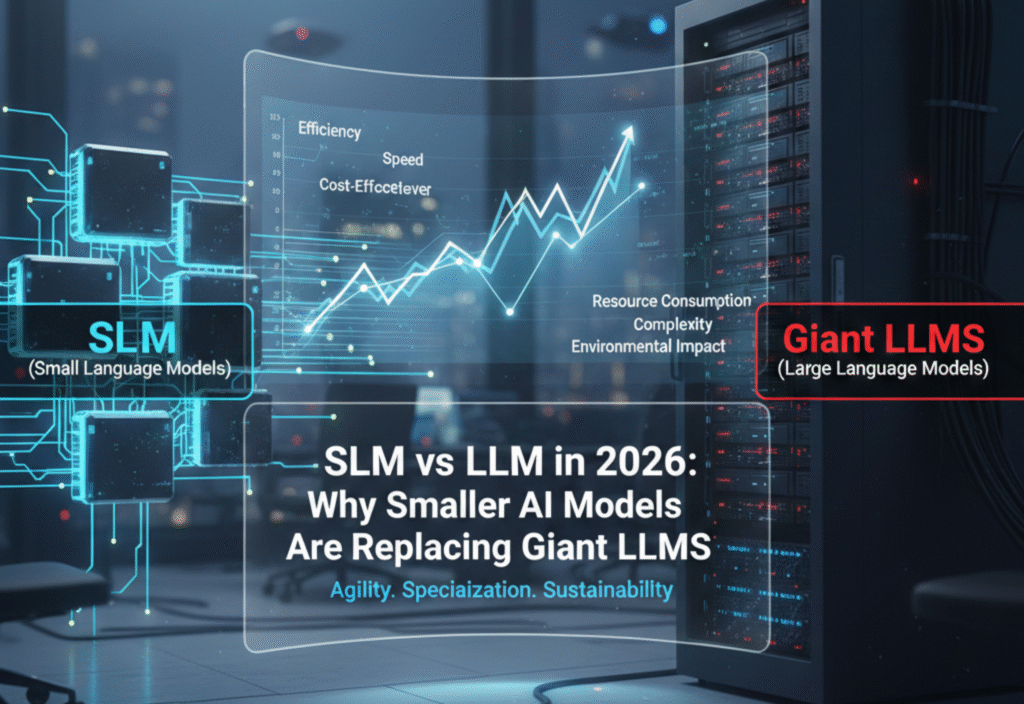
SLM vs LLM in 2026 comparison showing smaller AI models outperforming large language models in efficiency and cost

SLM vs LLM in 2026: Why Smaller AI Models Are Replacing Giant LLMs

SLM vs LLM in 2026 has become one of the most important debates in artificial intelligence as organizations rethink how AI models are built and deployed. While large language models once dominated the industry with massive scale and general intelligence, smaller AI models are now gaining traction due to lower costs, faster performance, and better

SLM vs LLM in 2026: Why Smaller AI Models Are Replacing Giant LLMs Read More »

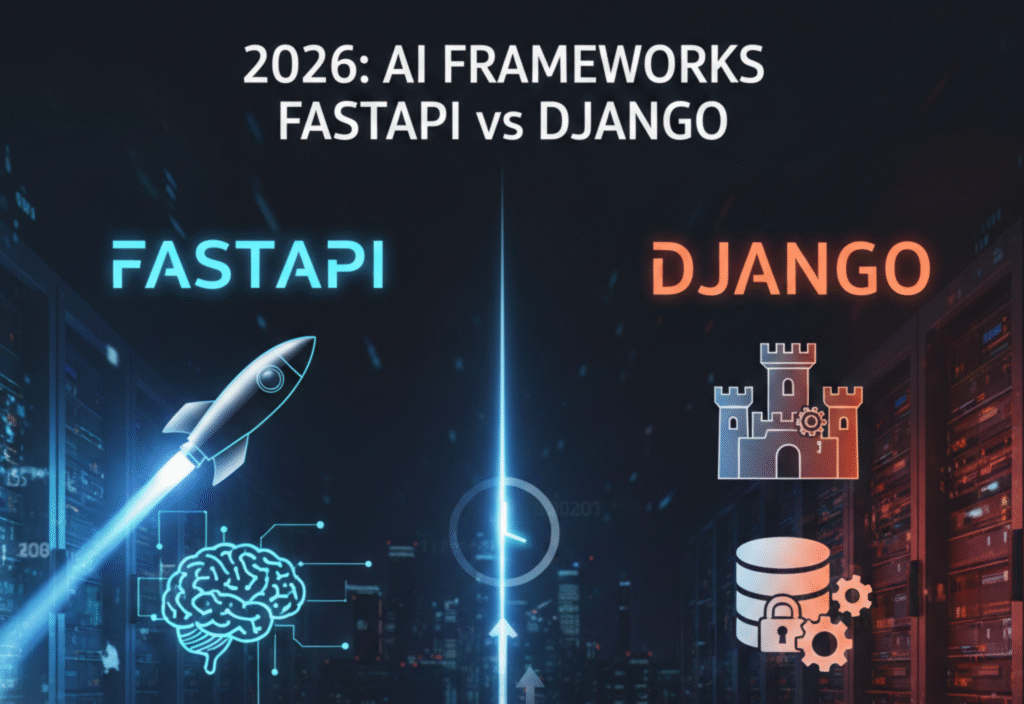
FastAPI vs Django 2026 is one of the most debated choices for developers building AI applications. In 2026, creating high-performance AI systems isn’t just about designing models—it’s about deploying them efficiently and scaling seamlessly. Choosing the right framework, whether FastAPI or Django, can determine the speed, reliability, and scalability of your AI applications.

FastAPI vs Django (2026): Best Framework for High-Performance AI Applications

FastAPI vs Django 2026 is a common question among developers who build AI applications. In 2026, success in AI development depends on more than just accurate models. Developers must also deploy models quickly, handle real-time requests, and scale systems without problems. Therefore, choosing the right framework plays a major role in AI performance and reliability.

FastAPI vs Django (2026): Best Framework for High-Performance AI Applications Read More »

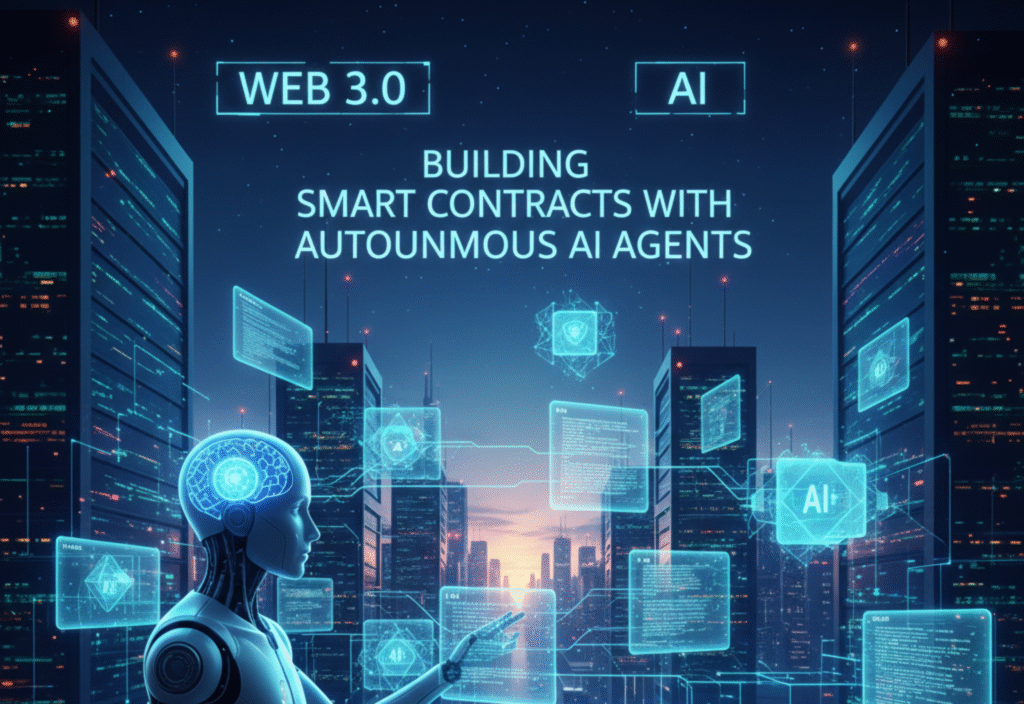
AI-powered smart contract executing autonomously on a blockchain network

Web 3.0 Meets AI: Building Smart Contracts with Autonomous AI Agents

The digital landscape is evolving at a breathtaking pace, driven by innovations in Web 3.0 and artificial intelligence (AI). These two technologies, while powerful on their own, create even greater possibilities when combined. Web 3.0 promises a decentralized internet where users regain control over their data, digital assets, and identity, while AI introduces automation, predictive

Web 3.0 Meets AI: Building Smart Contracts with Autonomous AI Agents Read More »

Order flow trading chart showing how institutions read market orders

Order Flow Trading Explained: How Institutions Read the Market Like Pros

Retail traders often rely on indicators such as RSI, MACD, or moving averages to make trading decisions. While these tools can be helpful, institutional traders operate on a completely different level. Banks, hedge funds, and proprietary trading firms focus on one thing above all else: order flow. Order flow trading reveals who is buying, who

Order Flow Trading Explained: How Institutions Read the Market Like Pros Read More »

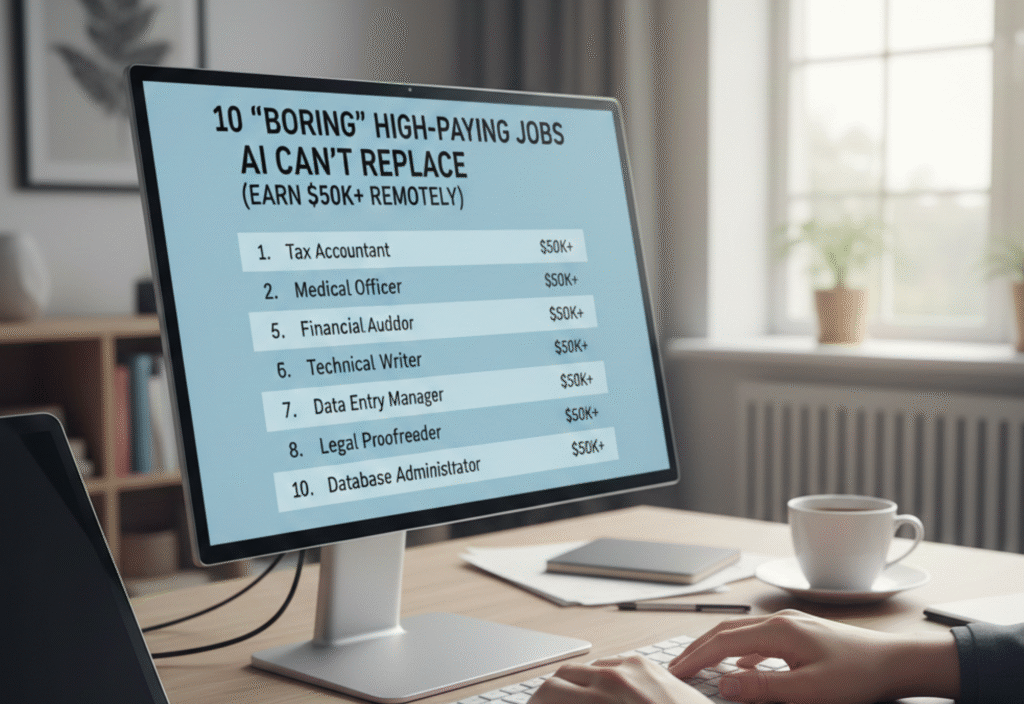
Jobs AI can’t replace – boring high-paying remote careers earning $50K+

10 “Boring” High-Paying Jobs AI Can’t Replace (Earn $50K+ Remotely)

Jobs AI can’t replace are becoming more valuable as automation and artificial intelligence reshape the modern workforce. While AI tools can automate repetitive and creative tasks, many high-paying careers still depend on human judgment, compliance, and decision-making. These so-called “boring” roles offer long-term stability, remote flexibility, and salaries of $50K or more. 1. Compliance Specialist

10 “Boring” High-Paying Jobs AI Can’t Replace (Earn $50K+ Remotely) Read More »

Data Poisoning in Machine Learning showing manipulated training data affecting AI model predictions

Data Poisoning in Machine Learning: How Training Data Is Manipulated and Why It Matters

Machine learning systems are only as trustworthy as the data they learn from. As AI models increasingly influence high‑stakes decisions—ranging from healthcare diagnostics and financial risk scoring to content moderation and autonomous systems—the integrity of training data has become a critical security concern. One of the most dangerous and least understood threats to modern AI

Data Poisoning in Machine Learning: How Training Data Is Manipulated and Why It Matters Read More »