Fiza Arif

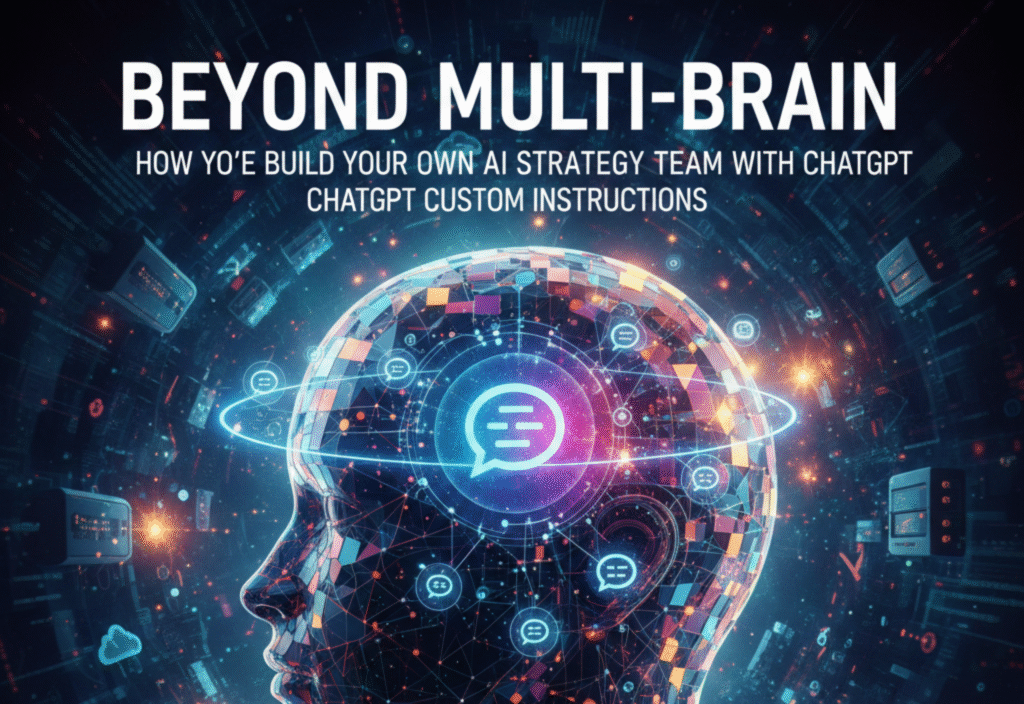
AI strategy team using ChatGPT custom instructions for structured and ethical AI workflows

Beyond Multi-Brain: How to Build Your Own AI Strategy Team with ChatGPT Custom Instructions

An AI strategy team helps creators, founders, and professionals use artificial intelligence in a smarter and more structured way. Instead of relying on one general-purpose AI, you can design a system where ChatGPT acts like a coordinated team using Custom Instructions. This approach improves clarity, productivity, and ethical decision-making from the very beginning. That is […]

Beyond Multi-Brain: How to Build Your Own AI Strategy Team with ChatGPT Custom Instructions Read More »

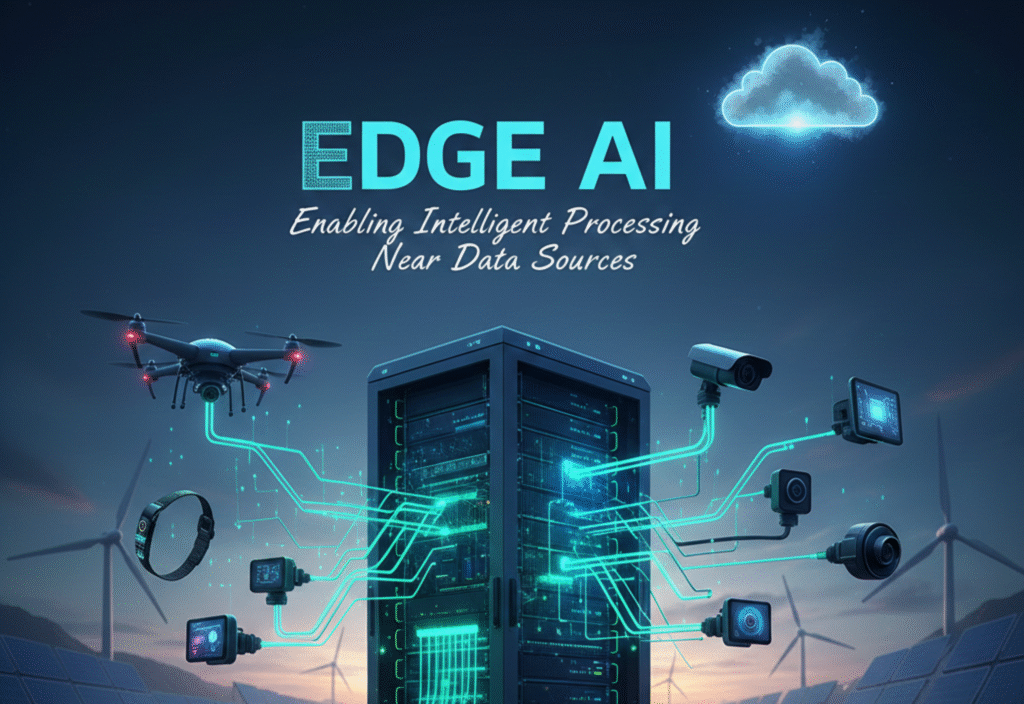
Edge AI device processing data locally near the source

Edge AI: Enabling Intelligent Processing Near Data Sources

As technology continues to evolve, organizations need faster and smarter ways to process information. One powerful approach is AI processing at the edge, where intelligent systems work close to the place where data is created instead of relying only on cloud servers. This local processing improves speed, efficiency, privacy, and real-time decision-making. In this article,

Edge AI: Enabling Intelligent Processing Near Data Sources Read More »

Proactive cybersecurity monitoring digital systems to detect threats before impact

Proactive Cybersecurity: Identifying Digital Threats Before Impact

In today’s highly connected digital environment, cybersecurity is no longer just about responding to attacks after they occur. As organizations increasingly rely on digital systems, cloud platforms, and remote work infrastructures, the cost of cyber incidents has grown significantly. This has led to a shift from reactive security models to proactive cybersecurity, an approach focused

Proactive Cybersecurity: Identifying Digital Threats Before Impact Read More »

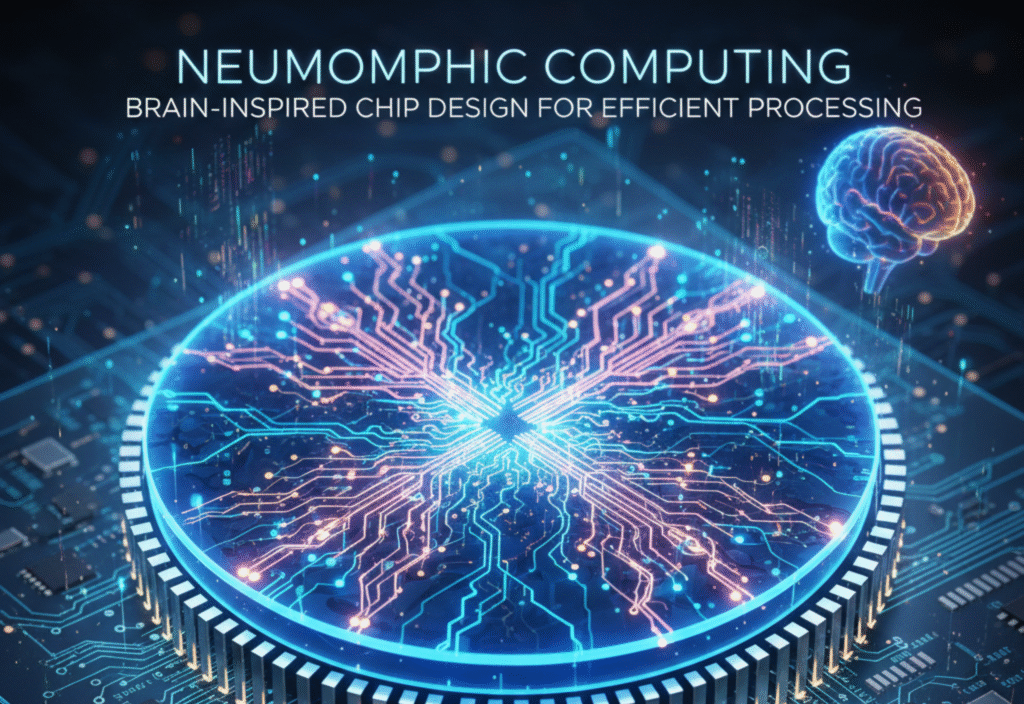
Neuromorphic computing chip inspired by the human brain for efficient processing

Neuromorphic Computing: Brain-Inspired Chip Design for Efficient Processing

Neuromorphic computing is an emerging field that aims to redesign computer hardware by taking inspiration from the structure and functioning of the human brain. As traditional computing architectures struggle with power consumption, latency, and scalability, neuromorphic chip design offers a promising alternative for efficient and intelligent data processing. Rather than replacing existing systems overnight, this

Neuromorphic Computing: Brain-Inspired Chip Design for Efficient Processing Read More »

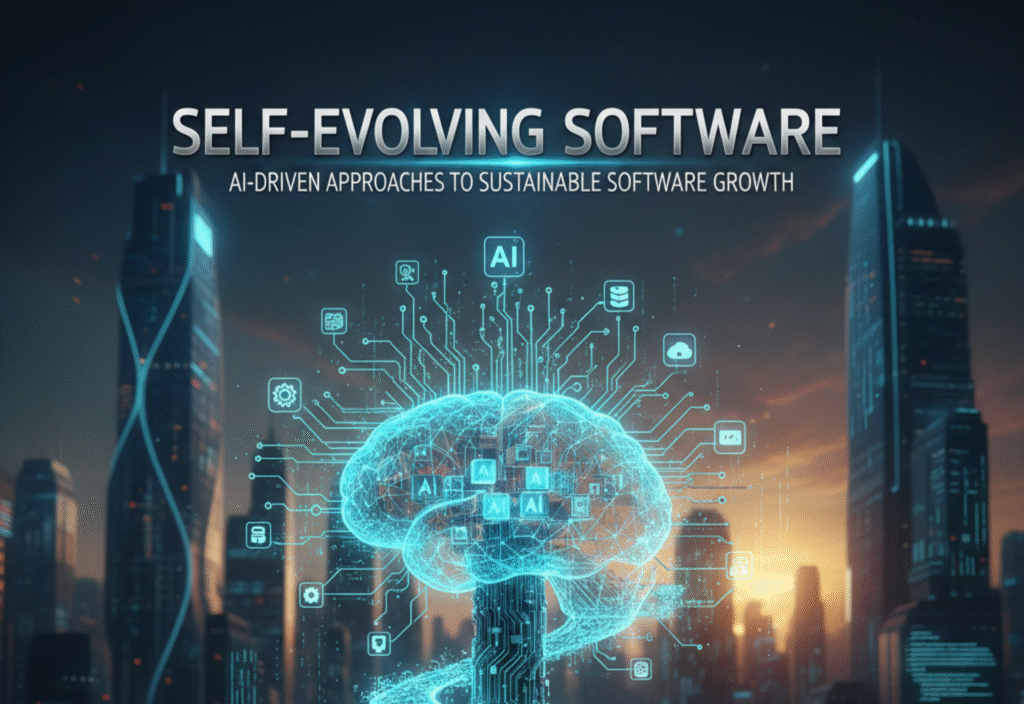
Self-evolving software improving performance through AI-driven insights

Self-Evolving Software: AI-Driven Approaches to Sustainable Software Growth

In 2026, software systems are no longer static products that require constant manual updates to stay relevant. Instead, modern applications are increasingly designed to improve, adapt, and optimize themselves over time. This shift has given rise to self-evolving software, a new approach where artificial intelligence supports long-term, sustainable software growth while reducing maintenance complexity. Rather

Self-Evolving Software: AI-Driven Approaches to Sustainable Software Growth Read More »

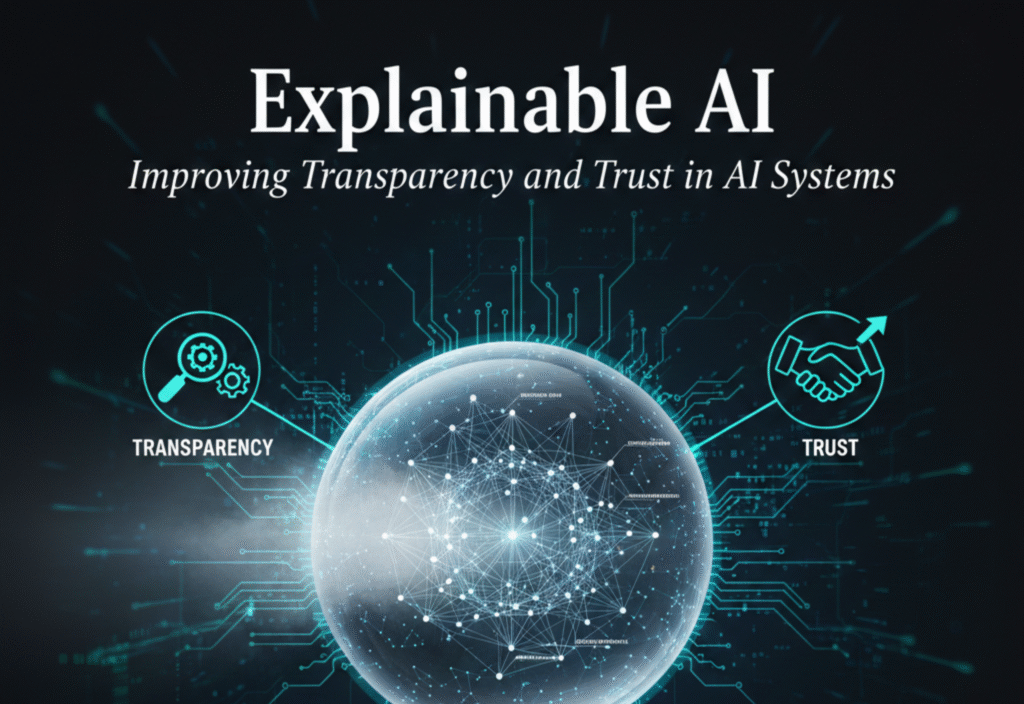
Explainable AI providing transparency and trust in intelligent systems

Explainable AI: Improving Transparency and Trust in AI Systems

Artificial Intelligence (AI) is increasingly being used in critical decision-making, from healthcare and finance to law enforcement and education. However, as AI systems grow more complex, a major challenge arises: understanding how AI makes decisions. This is where Explainable AI (XAI) becomes crucial. Explainable AI ensures that AI systems are transparent, trustworthy, and accountable, allowing

Explainable AI: Improving Transparency and Trust in AI Systems Read More »

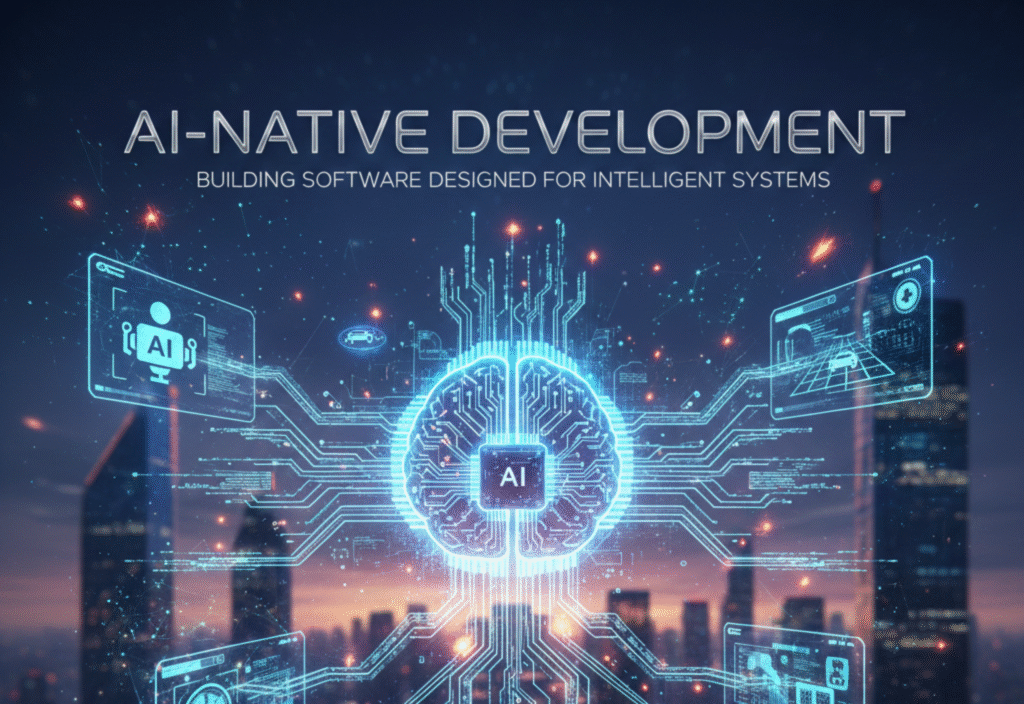
AI-Native Development: Intelligent software systems learning and adapting

AI-Native Development: Building Software Designed for Intelligent Systems

Artificial intelligence is no longer an add-on feature in modern applications. Instead, it has become a foundational part of how software is planned, built, and improved. In this context, AI-Native Development refers to creating software systems where intelligence is embedded from the beginning, rather than added later. As a result, applications become more adaptive, efficient,

AI-Native Development: Building Software Designed for Intelligent Systems Read More »

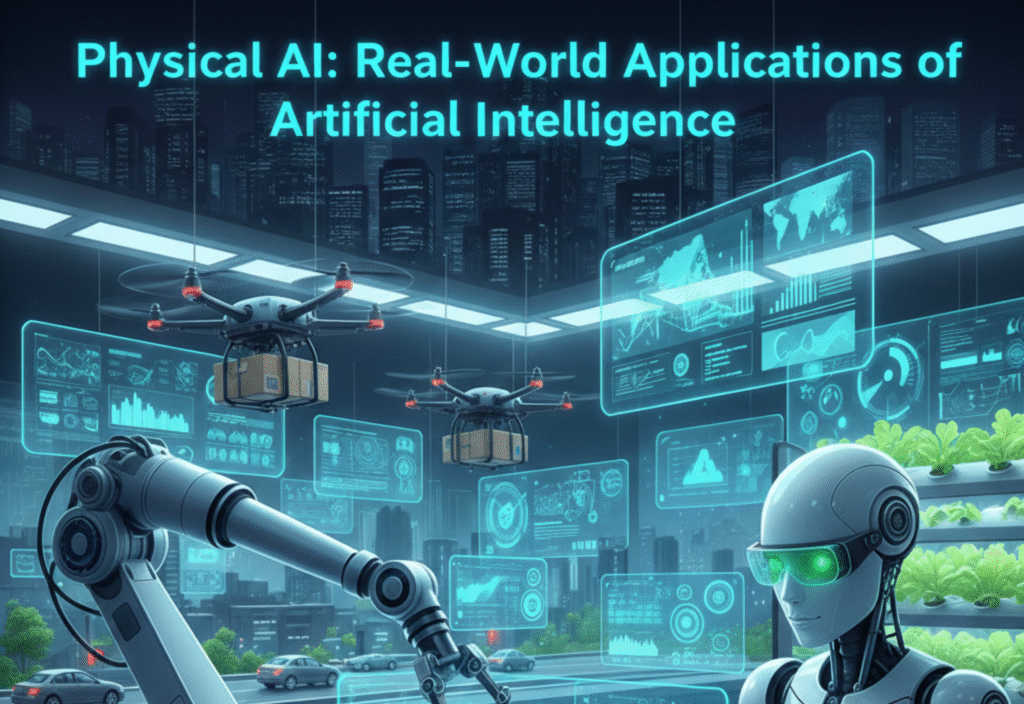
Robotics and AI systems interacting with the physical world

Physical AI: Real-World Applications of Artificial Intelligence

Physical AI is transforming industries by connecting digital intelligence with the real world. Unlike traditional AI, which mainly operates in software, this approach allows machines and devices to perceive, act, and adapt in physical environments. By integrating robotics, sensors, and intelligent algorithms, these AI-driven systems perform tasks autonomously, learn from experience, and enhance efficiency across

Physical AI: Real-World Applications of Artificial Intelligence Read More »

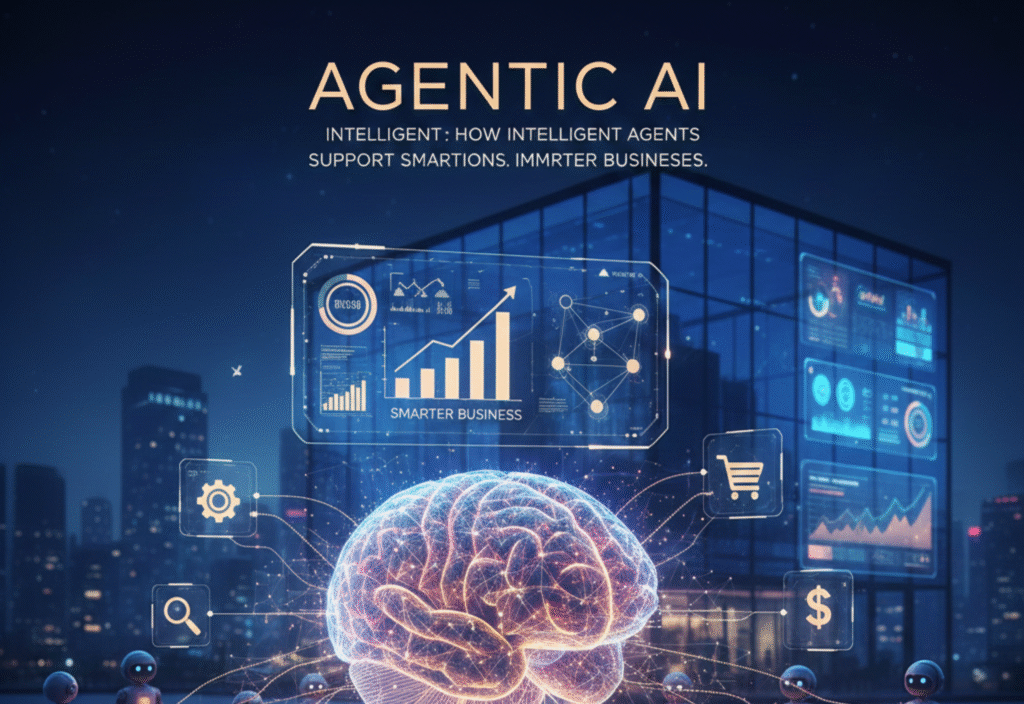
Business professionals using Agentic AI for smarter decision-making

Agentic AI: How Intelligent Agents Support Smarter Businesses

Agentic AI is transforming the way businesses operate. Unlike traditional AI systems that react to commands, this approach enables autonomous decision-making, planning, and execution. By integrating intelligent agents into workflows, companies can improve efficiency, optimize processes, and make smarter decisions. Over time, AI has evolved from simple automation to sophisticated systems capable of analyzing complex

Agentic AI: How Intelligent Agents Support Smarter Businesses Read More »

Developer using AI-assisted tools for Vibe Coding in software development

Vibe Coding: The Emerging Style of Software Development

Vibe Coding is transforming how software is created. Unlike traditional programming that focuses on syntax and manual implementation, this method emphasizes intent, clarity, and collaboration with AI tools. By prioritizing what developers aim to achieve, this approach enables faster, more efficient, and responsible software development. Over time, software development has evolved from machine-level instructions to

Vibe Coding: The Emerging Style of Software Development Read More »