In today’s fast-paced industrial world, manufacturers face increasing pressure to improve productivity, reduce costs, and maintain high-quality standards. Traditional methods of production, while effective in the past, are no longer sufficient to meet the demands of global markets. This is where AI-powered robotics comes into play, transforming manufacturing from a labor-intensive process into a highly efficient, intelligent system.
What Are AI-Powered Robotics?
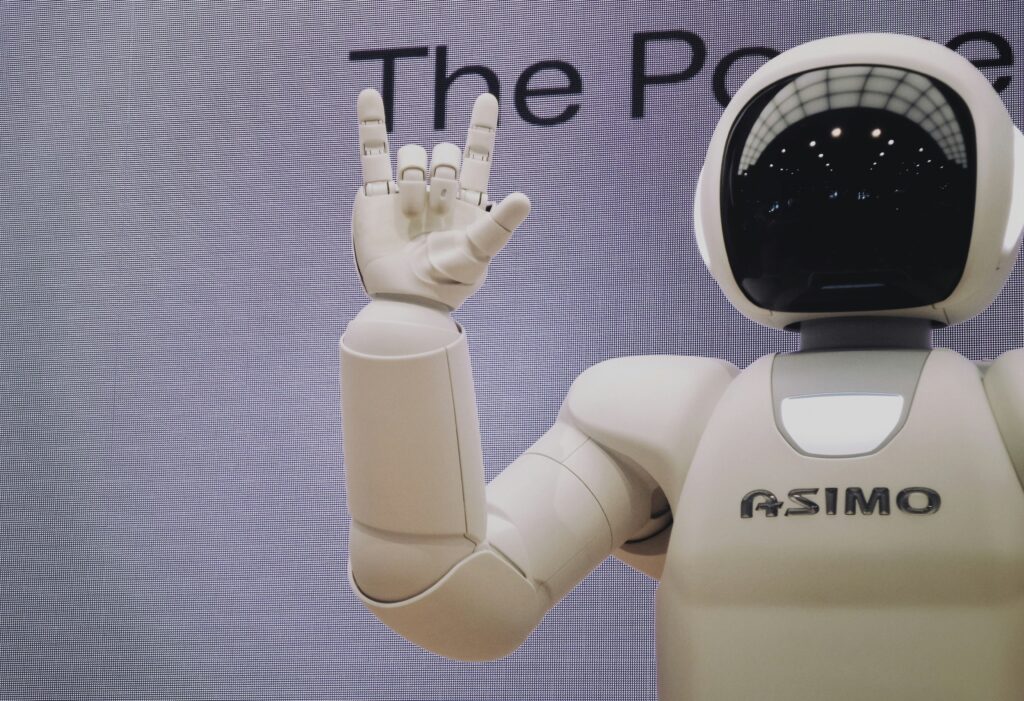
AI-powered robotics combine artificial intelligence (AI) with advanced robotic systems to perform tasks that traditionally required human intervention. Unlike conventional machines, these intelligent robots can analyze data, learn from experience, and adapt to new situations. This allows them to perform complex tasks with minimal supervision, significantly improving manufacturing efficiency.
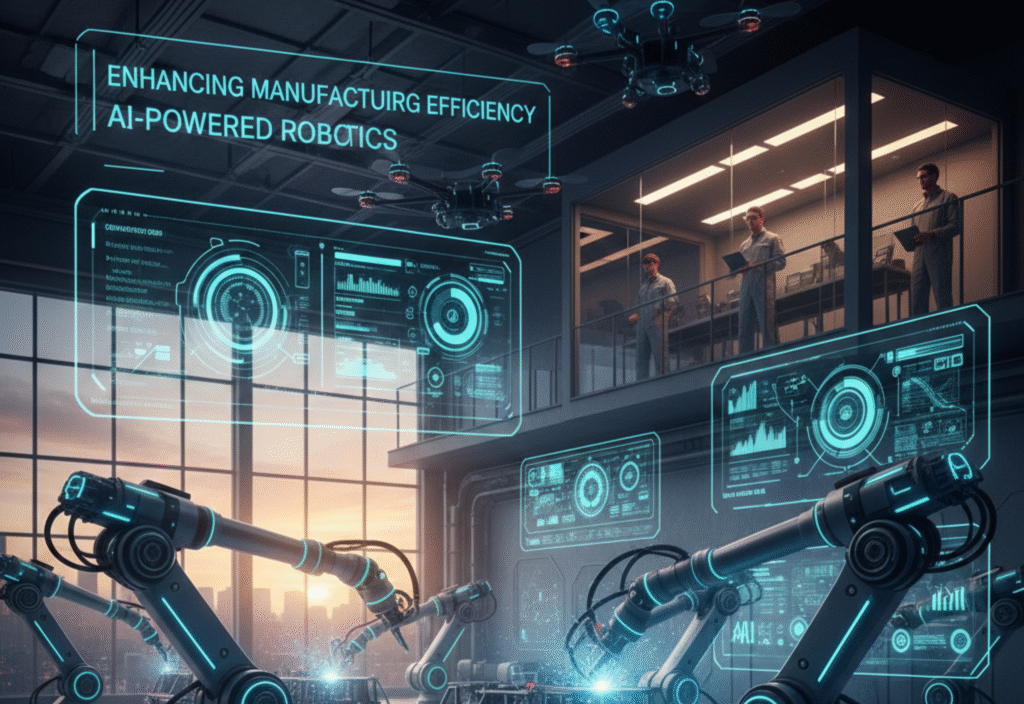
For example, AI algorithms can optimize a robot’s movement to reduce time and energy consumption, detect defects in products automatically, and predict when machines need maintenance. This proactive approach not only improves productivity but also minimizes waste, contributing to sustainable manufacturing practices.
Key Benefits of AI Robotics in Manufacturing
1. Increased Production Speed
AI-powered robots can operate 24/7 without fatigue, unlike human workers. They can complete repetitive tasks at a consistent speed, which drastically reduces production time. This allows manufacturers to meet higher demand without compromising quality.
2. Enhanced Precision and Quality
Robots equipped with AI can perform tasks with extreme precision. Whether it’s assembling tiny electronic components or packaging delicate products, AI ensures fewer errors and a higher standard of output. Machine vision systems powered by AI can also detect defects in real-time, reducing the chances of faulty products reaching the market.
3. Cost Efficiency
Although initial investments in AI robotics can be high, the long-term cost savings are significant. Reduced labor costs, minimized waste, and fewer defective products all contribute to higher profitability. Additionally, predictive maintenance powered by AI reduces unplanned downtime, which can be expensive for manufacturers.
4. Flexibility and Adaptability
AI-enabled robots can adapt to changes in production lines. For instance, if a new product design is introduced, these robots can quickly learn the new assembly requirements without extensive reprogramming. This flexibility allows manufacturers to respond faster to market changes and maintain a competitive edge.
5. Safer Work Environments
Robots can take over dangerous or physically demanding tasks, reducing the risk of workplace injuries. AI systems can also monitor work environments for safety hazards, ensuring compliance with occupational safety standards.
Real-World Applications
AI-powered robotics are already making a significant impact across various industries:
Automotive Manufacturing: Robots assemble car parts with incredible precision, ensuring consistent quality across production lines. AI helps in monitoring vehicle defects before the cars leave the factory.
Electronics Industry: AI robots handle the delicate assembly of microchips and circuit boards, where even the smallest error can be costly.
Food and Beverage: AI robotics manage sorting, packaging, and quality control, ensuring hygiene standards and reducing human error.
Pharmaceuticals: Robots handle sensitive processes like pill production and packaging, maintaining sterility and accurate dosing.
Overcoming Challenges
Despite the clear benefits, integrating AI robotics in manufacturing comes with challenges. High initial investment, technical expertise requirements, and cybersecurity risks are some of the obstacles manufacturers face. However, these challenges are manageable through proper planning, workforce training, and robust security measures. The long-term gains in efficiency, quality, and cost reduction make AI-powered robotics a worthwhile investment.
The Future of Manufacturing
The future of manufacturing lies in smart factories, where AI-powered robotics, Internet of Things (IoT) devices, and advanced data analytics work together seamlessly. In such factories, machines will not just perform tasks—they will communicate, learn, and optimize production processes autonomously. This transformation will not only enhance efficiency but also enable sustainable and scalable production methods.
Conclusion
AI-powered robotics are revolutionizing manufacturing by improving speed, precision, flexibility, and safety. As industries continue to embrace AI, manufacturers who adopt these technologies will gain a significant competitive advantage. By integrating intelligent robots into production lines, companies can achieve higher efficiency, better quality products, and safer work environments, all while maintaining ethical and sustainable practices.