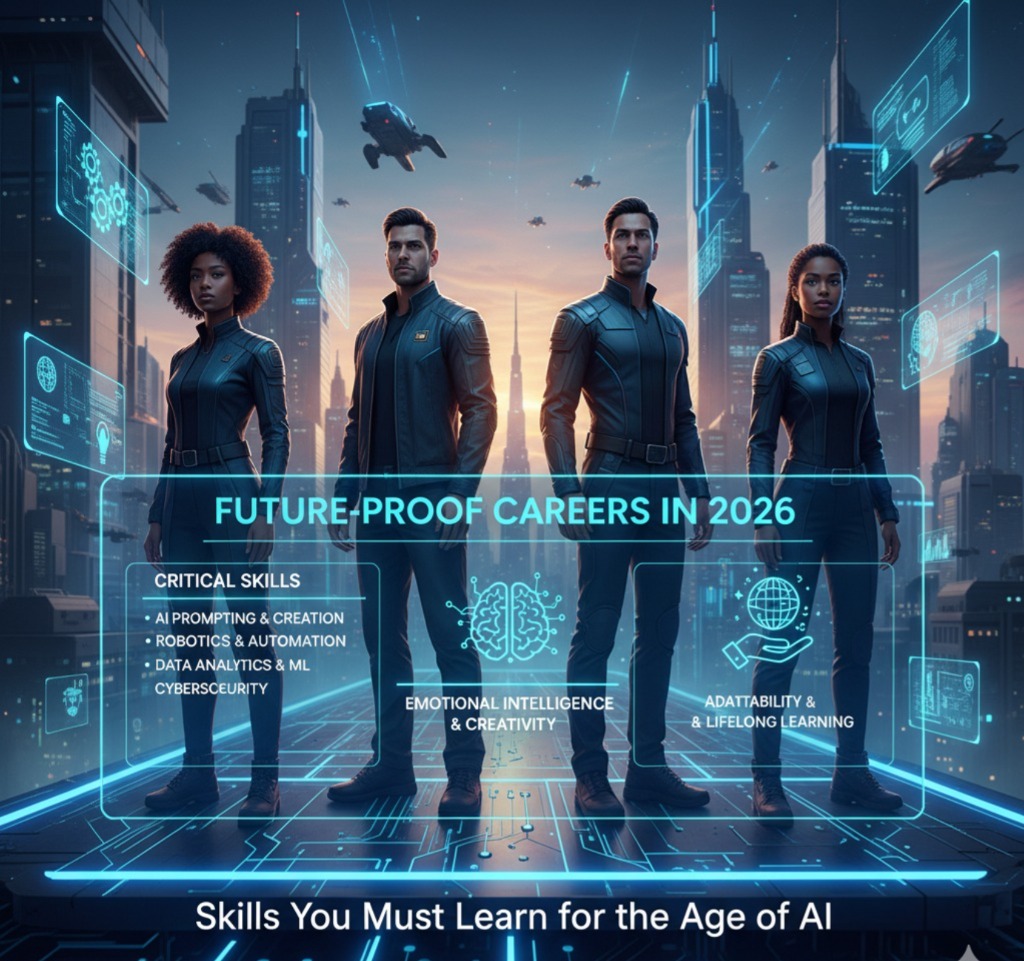
The world is moving faster than ever, and artificial intelligence (AI) is transforming almost every industry. By 2026, the job market will look very different from today. Many traditional roles will evolve, some will disappear, and new high-value careers will be created. To stay competitive, you must understand which careers are future-proof and what skills you need to succeed in the age of AI.
This article breaks down the most in-demand jobs of 2026 and the essential skills you should start learning right now.
Why Future-Proof Careers Matter in 2026
2026 will be a turning point for global technology. Companies will depend heavily on automation, data processing, AI tools, and smart software. The professionals who adapt will grow, while those who don’t may struggle to keep up.
Future-proof careers give you:
Long-term job security
High salary potential
Global work opportunities
Flexibility across industries
Let’s explore the top careers that will stay relevant in 2026 and beyond.
1. AI & Machine Learning Engineer
AI engineers will be among the most highly paid professionals in 2026. Companies need experts who can build smart algorithms, automation systems, and AI-powered tools.
Skills You Must Learn
Machine Learning (ML)
Deep Learning
Python programming
Neural networks
Cloud platforms (AWS, GCP, Azure)
Data structures and algorithms
2. Data Scientist & Data Analyst
Data will continue to be the new gold. Businesses need people who can understand numbers and turn them into useful insights.
Skills You Must Learn
Python, R
Statistics
Data visualization (Tableau, Power BI)
SQL
Big data tools (Spark, Hadoop)
3. Cybersecurity Specialist
As AI grows, cyberattacks will increase. Cybersecurity experts will remain in high demand to protect sensitive data.
Skills You Must Learn
Network security
Ethical hacking
Threat detection
Security tools
Risk analysis
4. Cloud Computing Engineer
Most companies are moving to cloud platforms, making cloud engineers essential for building and managing online infrastructure.
Skills You Must Learn
AWS, Azure, Google Cloud
Kubernetes & Docker
Cloud architecture
DevOps
5. Digital Marketing & AI Automation Expert
Marketing is shifting to AI-driven tools. Professionals who understand both marketing and AI automation will dominate the field.
Skills You Must Learn
SEO
Google Ads
AI automation tools (Jasper, ChatGPT, Zapier)
Social media marketing
Content strategy
6. Software Developer (AI-Assisted Development)
Developers who understand modern tools and can build software quickly using AI assistants will stay ahead.
Skills You Must Learn
JavaScript, Python, Java
APIs
Full-stack development
Git/GitHub
AI developer tools
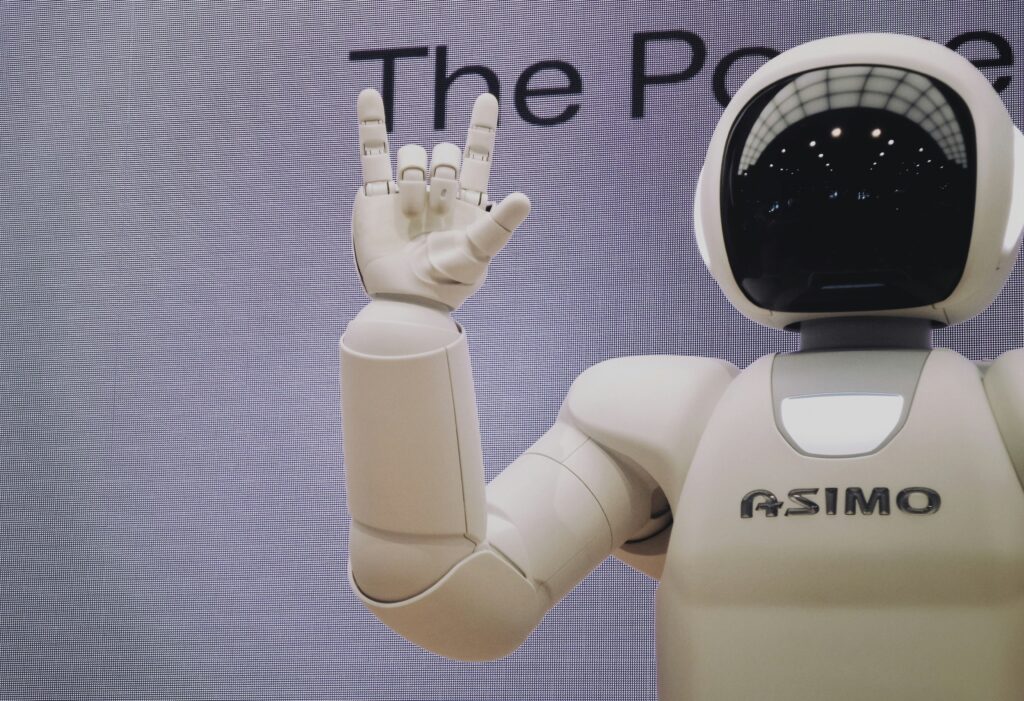
7. Robotics & Automation Specialist
Manufacturing, healthcare, and agriculture are all using robots. This field will grow massively by 2026.
Skills You Must Learn
Robotics programming
Automation systems
Sensor technology
Mechanical engineering basics
8. UX/UI Designer (Human-Centered AI Design)
As AI tools become complex, users need simple, beautiful interfaces. Designers who understand human behavior + AI will stand out.
Skills You Must Learn
Figma, Adobe XD
User experience research
Design systems
AI-assisted design tools
9. Blockchain & Web3 Developer
Even though the hype slows down at times, Web3 skills will remain valuable for secure, decentralized systems.
Skills You Must Learn
Smart contracts
Solidity
Blockchain networks
Cryptography basics
How to Become Future-Proof in 2026
To stay relevant, start working on:
✔ Continuous learning
The job market changes every year — so should your skills.
✔ AI literacy
Basic AI knowledge will be required in almost every job.
✔ Technical + soft skills
Companies want critical thinkers, problem solvers, and good communicators.
✔ Project-based learning
Build real projects to stand out from other job seekers.
Final Thoughts
The age of AI is not a threat — it’s an opportunity. If you focus on building the right skills today, you can secure a stable, high-income, future-proof career by 2026. Whether you choose AI engineering, cybersecurity, digital marketing, cloud computing, or robotics, the key is consistency and lifelong learning.