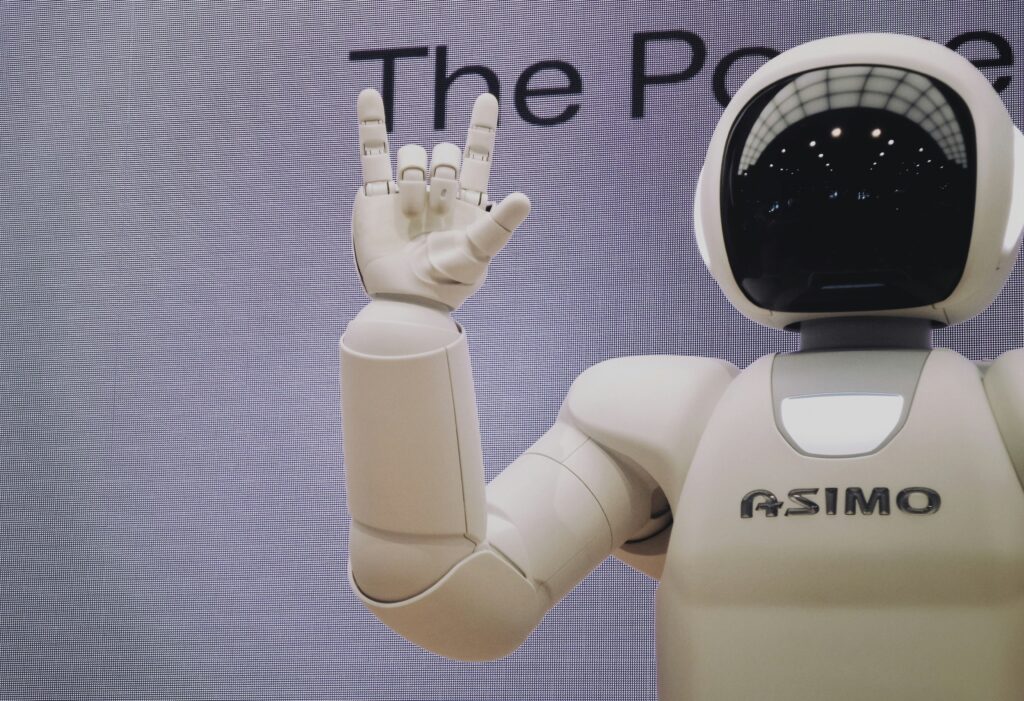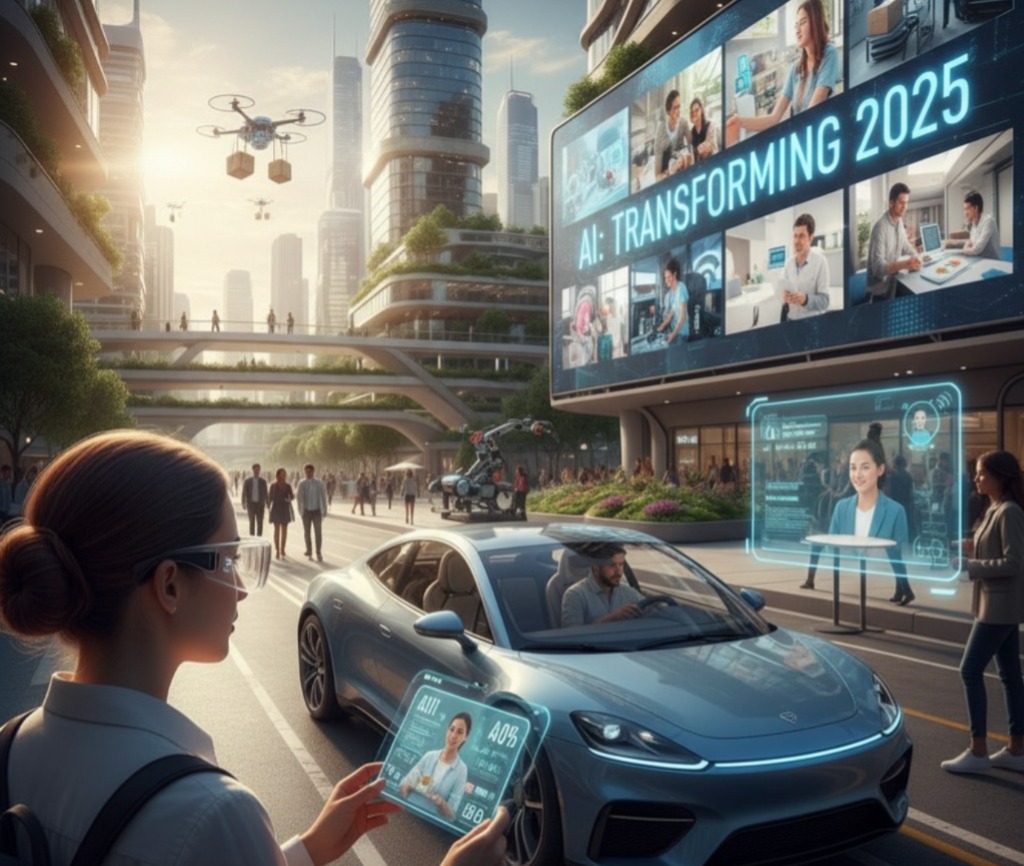
Artificial Intelligence (AI) has become a practical part of daily life in 2025. Instead of being limited to research labs, AI now supports people in homes, workplaces, schools, and public services. As a result, daily tasks are becoming easier, faster, and more efficient.
This article explains how AI is used in everyday life in a clear, educational, and responsible way.
AI in Smart Homes
Today, AI-powered smart homes help people manage daily routines with minimal effort. These systems learn user preferences and respond accordingly.
Common Uses
-
Voice assistants for reminders and quick tasks
-
Automated lighting and temperature control
-
Smart security systems with alerts
As a result, households save energy and improve safety. Moreover, smart home AI focuses on comfort rather than replacing human control.
AI in Healthcare
Healthcare has seen major improvements due to AI technologies. In many cases, AI supports doctors by analyzing data quickly and accurately.
How AI Is Used
-
Medical image scanning for early diagnosis
-
Virtual assistants for basic health guidance
-
Predictive tools to detect potential risks
Therefore, patient care becomes faster and more reliable. However, medical professionals remain responsible for final decisions.
AI in Education
Education is changing rapidly with the help of AI. Instead of one-size-fits-all learning, students now receive personalized support.
Key Applications
-
Adaptive learning platforms
-
AI-based tutoring systems
-
Automated grading tools
As a result, students learn at their own pace. In addition, teachers can focus more on creativity and guidance rather than repetitive tasks.
AI in Business and Productivity
In business environments, AI improves efficiency and decision-making. Many organizations use AI tools to handle routine operations.
Common Applications
-
Customer service chatbots
-
Sales and marketing analysis
-
Workflow automation
Consequently, businesses save time and reduce costs. At the same time, transparency and ethical use remain essential.
AI in Transportation
Transportation systems are becoming smarter with AI integration. These technologies help manage traffic and improve safety.
AI Applications
-
Smart traffic control systems
-
Ride-sharing optimization
-
Driver assistance features
Because of this, cities experience less congestion and smoother transportation. Moreover, AI supports drivers instead of replacing them entirely.
AI in Everyday Convenience
AI also supports small daily activities that improve comfort and efficiency.
Examples
-
Personalized shopping recommendations
-
Content suggestions on digital platforms
-
Scheduling and reminder assistants
For example, users can save time by receiving relevant suggestions. As a result, digital experiences feel more user-friendly.
Ethical and Responsible Use of AI
Responsible AI use is essential in everyday life. AI should assist people without causing harm or misuse.
-
No gambling or speculation promotion
-
No false financial promises
-
Focus on education, safety, and assistance
Therefore, ethical guidelines ensure trust and long-term benefits.
Conclusion
In conclusion, Artificial Intelligence in 2025 plays a positive role in everyday life. From smart homes and healthcare to education and transportation, AI supports people in practical and meaningful ways.