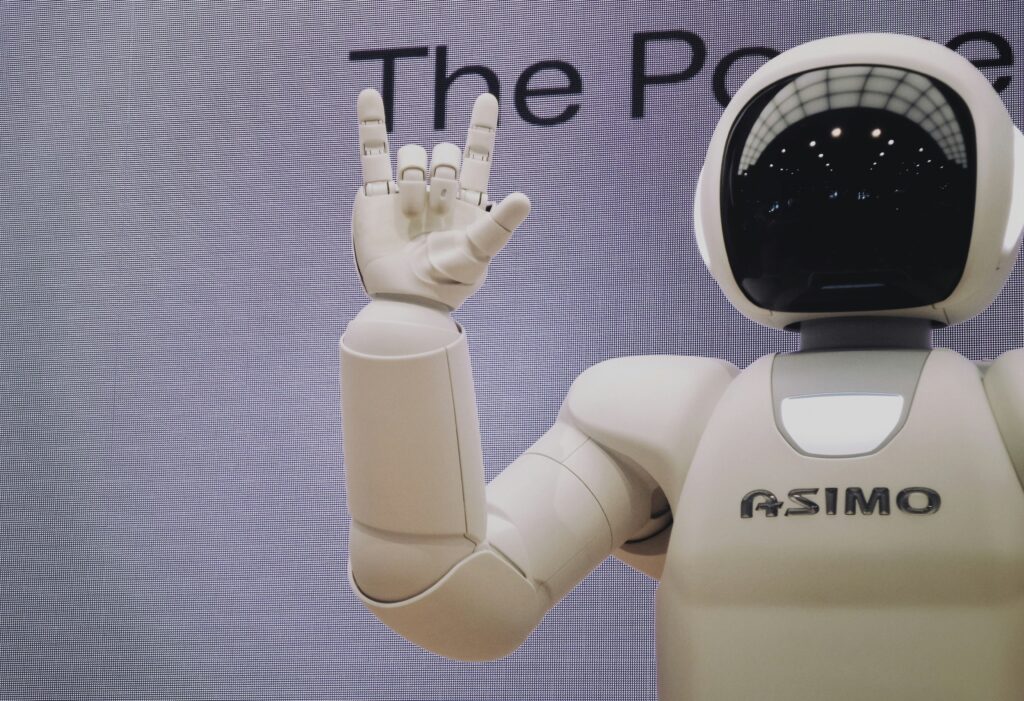
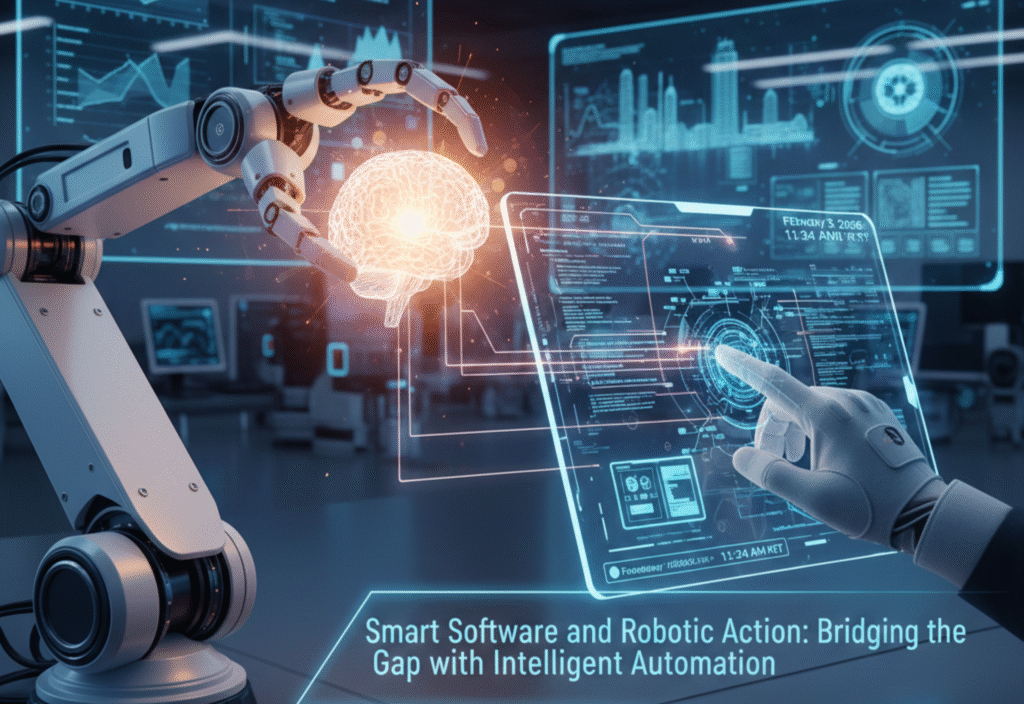
In today’s rapidly evolving digital world, businesses are no longer relying solely on traditional software systems. The integration of smart software with robotic action is transforming how industries operate. This powerful combination, known as intelligent automation, bridges the gap between digital decision-making and real-world physical execution. From manufacturing to healthcare, intelligent automation is enabling organizations to work faster, smarter, and more efficiently.
This article explores how smart software and robotic systems work together, the benefits of intelligent automation, and its role in shaping a more productive and ethical future.
What Is Smart Software?
Smart software refers to applications that use advanced technologies such as:
Artificial Intelligence (AI)
Machine Learning (ML)
Data analytics
Rule-based decision systems
Unlike traditional software, smart software can learn from data, adapt to changing conditions, and make informed decisions without constant human input. Examples include predictive maintenance systems, intelligent scheduling tools, and AI-powered quality control software.
Understanding Robotic Action
Robotic action involves physical machines—robots—that perform tasks in the real world. These robots can:
Move objects
Assemble products
Inspect items
Assist humans in repetitive or dangerous tasks
Modern robots are equipped with sensors, cameras, and actuators, allowing them to interact safely and accurately with their environment.
Bridging the Gap with Intelligent Automation
Individually, smart software and robots are powerful. Together, they create intelligent automation, where:
Smart software analyzes data and makes decisions
Robots execute those decisions in the physical world
Feedback from robots improves future decisions
For example, in a factory:
Software detects a defect pattern using AI
It instantly instructs a robot to adjust production
The system learns and improves accuracy over time
This seamless connection eliminates delays and reduces human error.
Key Benefits of Intelligent Automation
1. Increased Efficiency
Automated systems operate continuously without fatigue, resulting in faster processes and higher output.
2. Improved Accuracy
AI-driven decisions combined with robotic precision significantly reduce mistakes.
3. Cost Optimization
While initial investment may be high, long-term savings come from reduced waste, fewer errors, and optimized resource use.
4. Workplace Safety
Robots handle dangerous or physically demanding tasks, protecting human workers.
5. Ethical and Responsible Use
When designed responsibly, intelligent automation supports fairness, transparency, and human oversight—aligning with ethical values.
Real-World Applications
Manufacturing
Robots guided by smart software perform assembly, welding, and quality checks with high precision.
Healthcare
Automation assists in laboratory testing, medicine packaging, and robotic surgery support, improving patient care.
Logistics and Warehousing
Smart systems manage inventory while robots handle sorting and transportation efficiently.
Agriculture
Automated machines help with planting, monitoring crops, and harvesting, supporting sustainable food production.
The Role of Humans in Intelligent Automation
Intelligent automation is not about replacing humans but empowering them. Humans remain essential for:
Strategic decision-making
Ethical oversight
Creativity and innovation
System supervision and improvement
By reducing repetitive work, automation allows people to focus on higher-value, meaningful tasks.
Challenges and Considerations
Despite its advantages, intelligent automation must be implemented carefully:
Data privacy and security must be protected
Systems should remain transparent and explainable
Workforce reskilling is essential for long-term success
Responsible planning ensures automation benefits society as a whole.
The Future of Intelligent Automation
As technology advances, the connection between smart software and robotic action will become even stronger. Future systems will be more autonomous, collaborative, and adaptable—supporting industries while maintaining ethical and human-centered values.
Conclusion
Smart software and robotic action, when combined through intelligent automation, bridge the gap between digital intelligence and physical execution. This synergy is reshaping industries, improving efficiency, and creating safer, more ethical workplaces. By adopting intelligent automation responsibly, organizations can build a future that balances innovation, productivity, and human well-being.