
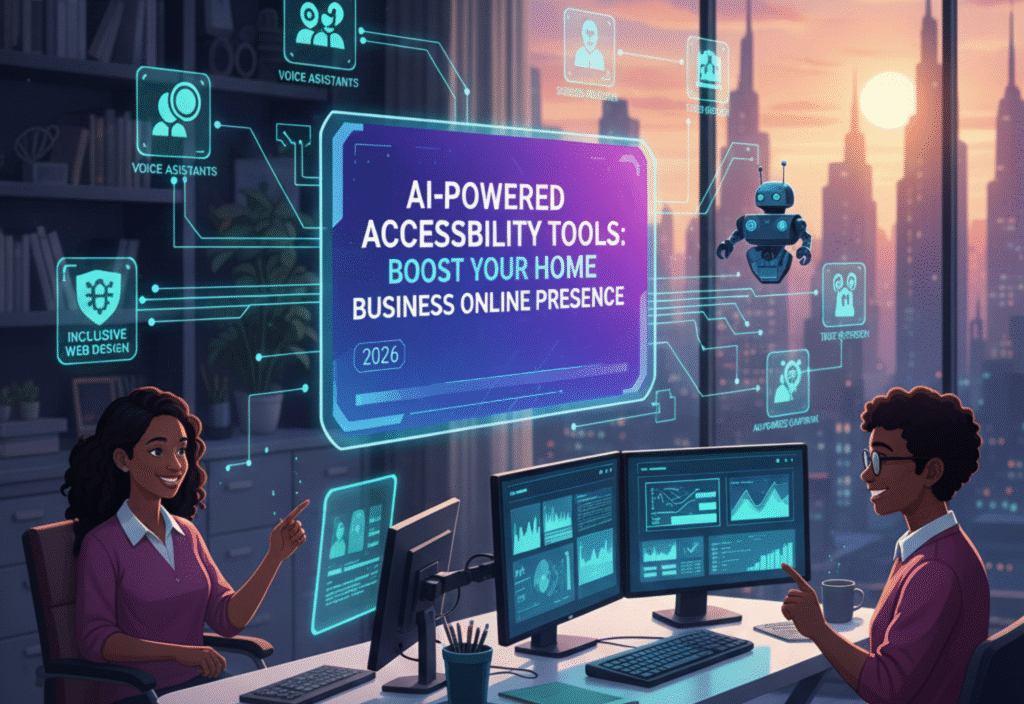
In 2026, small and home-based businesses are increasingly recognizing the importance of digital accessibility. A strong online presence is no longer optional—it’s critical for reaching a wider audience, enhancing customer experience, and staying competitive. Integrating AI-powered accessibility tools into your online strategy can significantly improve visibility, engagement, and growth. These tools not only make websites more inclusive but also optimize user interactions, ultimately boosting business performance.
Why Accessibility Matters for Home Businesses
Accessibility ensures that websites, apps, and digital platforms can be used by everyone, including people with disabilities. For home businesses, this expands potential customer reach and improves brand reputation. AI-powered tools go beyond traditional accessibility measures by offering automated solutions that continuously adapt to user needs, such as screen readers, voice recognition, and automated content adjustments.
Accessible websites also align with global web accessibility standards like WCAG, which can prevent potential legal issues and increase trust among users. In 2026, customers value businesses that are inclusive, making accessibility a strategic advantage.
How AI-Powered Accessibility Tools Enhance Online Presence
AI-powered accessibility tools can improve online visibility in several ways:
Automated Content Optimization: AI can adjust font sizes, contrast, and layout automatically, ensuring all users can navigate and read content easily.
Voice Navigation and Commands: AI-driven voice recognition allows users to interact with websites hands-free, expanding accessibility for those with motor disabilities or visual impairments.
Real-Time Captioning and Transcripts: Video content with AI-generated captions and transcripts ensures that all users, including those with hearing impairments, can access information efficiently.
Predictive User Assistance: AI can predict common navigation patterns and offer real-time guidance, reducing bounce rates and improving engagement.
By improving usability for all users, AI-powered accessibility tools indirectly boost SEO, engagement, and conversion rates, enhancing your online presence.
Integrating AI Accessibility Tools into Your Strategy
For home businesses, integrating AI accessibility tools requires careful planning:
Evaluate Your Website and Platforms: Identify areas where users face challenges, such as navigation, content readability, or multimedia accessibility.
Select the Right AI Tools: Choose tools that match your business needs, such as AI-powered screen readers, voice assistants, or automated captioning solutions.
Monitor User Experience: Use analytics and feedback to track how users interact with your site and whether accessibility improvements positively impact engagement.
Regular Updates: AI accessibility tools often update automatically, but it’s essential to review changes and ensure they align with your business goals.
By systematically implementing these tools, home businesses can create a website experience that is inclusive, engaging, and optimized for growth.
Benefits of AI Accessibility for Home Businesses
Integrating AI accessibility tools offers several advantages:
Wider Audience Reach: Accessible websites allow users with disabilities to interact easily, expanding customer base.
Improved SEO and Online Visibility: Search engines favor websites with better usability and inclusive design.
Enhanced Customer Satisfaction: Users experience smoother navigation, leading to higher retention and loyalty.
Competitive Advantage: Businesses that prioritize accessibility stand out in a crowded online marketplace.
Legal Compliance: Meeting accessibility standards reduces risk of potential legal issues.
Future Trends in AI Accessibility
By 2026, AI accessibility is expected to evolve further:
Personalized Accessibility Experiences: AI may tailor website layouts, content, and navigation to individual user preferences.
Integration with AR/VR: AI tools could assist users in augmented or virtual reality experiences, broadening business possibilities.
Predictive Accessibility Solutions: AI may anticipate potential barriers and proactively adjust websites before users encounter issues.
Home businesses that adopt AI accessibility early will be better positioned to leverage these trends and maintain a competitive edge.
Conclusion
AI-powered accessibility tools are transforming how home businesses engage with their audiences. By making websites more inclusive, improving usability, and optimizing digital interactions, these tools enhance online presence and drive growth. In 2026, integrating AI accessibility solutions is not just a matter of compliance—it’s a strategic move that increases customer satisfaction, expands reach, and boosts business success.
Home business owners who embrace AI-powered accessibility today are setting the stage for long-term growth, innovation, and a stronger online presence in the increasingly digital marketplace.