
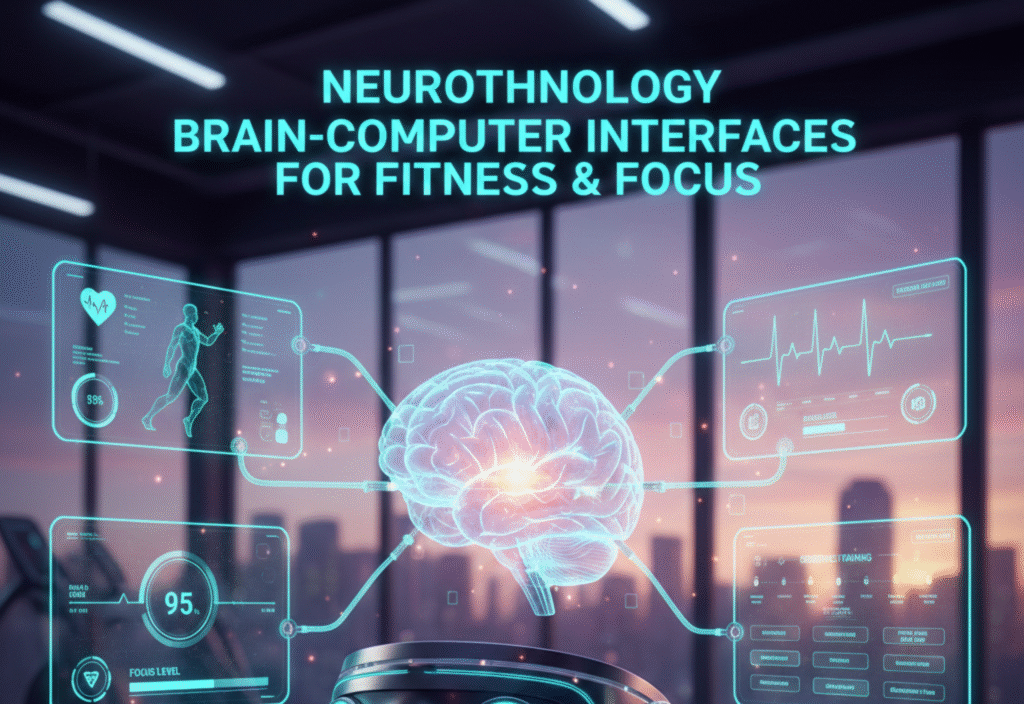
Neurotechnology is rapidly transforming the way humans interact with technology. Among its most exciting developments are Brain-Computer Interfaces (BCIs) — systems that connect the human brain directly with digital devices. Once limited to medical research and clinical rehabilitation, BCIs are now moving toward consumer markets, especially in areas like fitness, mental focus, and cognitive performance. This shift signals a new stage in technological evolution where machines not only respond to physical actions but also interpret brain signals to support healthier and more productive lifestyles.
Understanding Brain-Computer Interfaces
A Brain-Computer Interface is a technology that reads brain activity and translates it into commands for computers or digital systems. Most consumer BCIs use non-invasive sensors placed on the scalp to detect electrical patterns generated by the brain. These signals are then processed by software to provide feedback, control applications, or generate insights about mental states.
Unlike traditional devices that rely on keyboards, touchscreens, or voice commands, BCIs allow interaction through neural activity. This creates possibilities for smoother human-technology collaboration and more personalized digital experiences.
Consumer Applications in Fitness
One of the earliest consumer applications of BCIs is in the fitness sector. Modern wearable neurotechnology devices can track mental engagement, stress levels, and cognitive fatigue during workouts. This information helps individuals optimize training routines.
For example, athletes can monitor concentration during performance, ensuring they remain mentally engaged while exercising. Fitness enthusiasts can receive feedback about when they are mentally exhausted, helping prevent overtraining. Such insights support a more balanced approach to physical health by combining mental awareness with physical activity.
Additionally, neurofeedback training — where users learn to regulate brain activity through guided exercises — is becoming increasingly popular. This method can support relaxation, motivation, and mental resilience, all of which contribute to effective fitness habits.
Enhancing Focus and Productivity
Focus and mental clarity are essential in both professional and academic environments. Consumer BCIs are being explored as tools to help individuals understand their concentration patterns and improve productivity.
Some neurotechnology devices provide real-time feedback about attention levels, helping users identify distractions or fatigue. Over time, individuals can develop stronger focus habits by recognizing when their attention declines and applying corrective strategies such as breaks, mindfulness exercises, or structured work sessions.
This application is particularly valuable in remote work environments, online education, and high-performance careers where sustained concentration plays a key role in success.
Mental Performance and Cognitive Wellness
Beyond fitness and productivity, BCIs are being used to support broader cognitive wellness. Neurofeedback programs can encourage relaxation, stress reduction, and emotional balance. While these tools are not medical treatments, they can complement healthy lifestyle practices by promoting mental awareness.
For instance, guided neurofeedback sessions may help individuals practice calmness, improve sleep habits, or enhance mental clarity. As awareness of mental health continues to grow, technologies that encourage self-understanding and balanced routines are becoming increasingly relevant.
Ethical Considerations and Responsible Use
As neurotechnology enters consumer markets, ethical responsibility becomes essential. Brain data is highly sensitive, and privacy protection must remain a priority. Companies developing BCIs need transparent data policies, strong security standards, and clear communication about how information is used.
Responsible adoption also includes realistic expectations. BCIs should be viewed as supportive tools rather than solutions that replace human effort or professional care. Maintaining a balanced perspective helps ensure technology enhances well-being without creating dependency or unrealistic promises.
Challenges Facing Consumer BCIs
Despite promising progress, several challenges remain. Accuracy and affordability are ongoing concerns, as consumer devices must balance reliability with accessibility. Comfort and usability also influence adoption, since wearable neurotechnology should fit seamlessly into daily life.
Furthermore, public understanding of neurotechnology is still developing. Clear education and honest communication are necessary to build trust and encourage informed use.
The Future of Neurotechnology
The future of Brain-Computer Interfaces looks promising as research continues and technology becomes more refined. Advances in artificial intelligence, sensor design, and data processing are likely to make BCIs more practical for everyday users. Integration with other wearable technologies may create holistic health platforms that monitor both physical and mental well-being.
As society becomes increasingly digital, tools that support mental clarity, balanced fitness, and responsible productivity will hold growing importance. Neurotechnology may play a key role in shaping how humans interact with technology while maintaining personal well-being.
Conclusion
Neurotechnology and Brain-Computer Interfaces represent an emerging frontier where digital systems connect directly with human cognitive activity. Their early consumer applications in fitness, focus, and mental performance highlight the potential for technology to support healthier and more mindful lifestyles. While challenges and ethical considerations remain, responsible development and informed use can help ensure these innovations contribute positively to personal growth and societal progress.