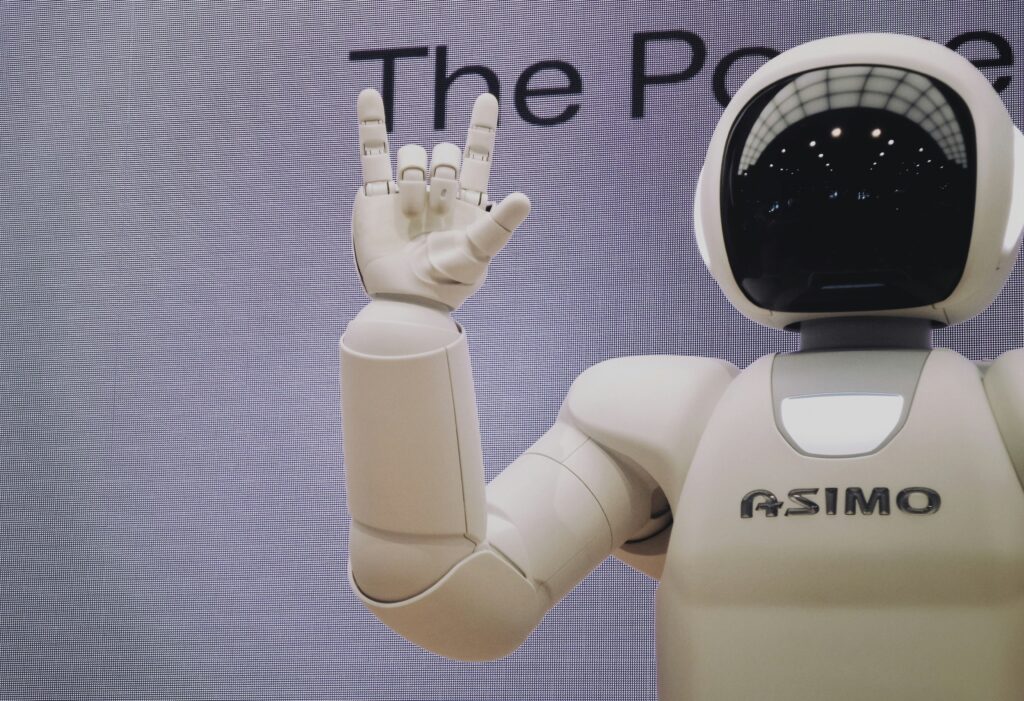

Agile methodologies were originally designed to help teams work flexibly, collaborate effectively, and deliver value faster. As technology evolves, Artificial Intelligence (AI) is becoming an important support system for modern Agile teams. Rather than replacing people or core Agile values, AI is enhancing how teams plan, collaborate, and improve their work.
In today’s fast-paced digital environment, AI is helping Agile teams make smarter decisions while still keeping humans at the center of the process.
Understanding Agile in the Modern Workplace
Agile focuses on:
Collaboration over rigid processes
Continuous improvement
Quick feedback and adaptation
Delivering value in small, meaningful increments
Agile was never meant to be static. As teams grow distributed and projects become more complex, new tools are needed to support these principles. This is where AI naturally fits in.
How AI Supports Agile Planning and Forecasting
One of the biggest challenges in Agile is accurate planning. AI helps by analyzing past sprint data, team velocity, and workload patterns.
Key Benefits:
More realistic sprint planning
Better effort estimation based on historical data
Early identification of delivery risks
AI does not decide for the team. Instead, it provides insights that help Scrum Masters and Product Owners make informed choices.
Improving Backlog Management with AI
Maintaining a clean and prioritized backlog takes time. AI tools can:
Suggest task prioritization based on business impact
Detect duplicate or unclear user stories
Highlight dependencies between tasks
As a result, Agile teams spend less time managing backlogs and more time delivering value.
AI in Agile Team Collaboration
Modern Agile teams often work remotely or across time zones. AI-powered tools improve collaboration by:
Summarizing meetings and sprint reviews
Highlighting blockers from team discussions
Providing smart notifications and reminders
This ensures transparency while respecting Agile’s emphasis on open communication.
Enhancing Continuous Integration and Testing
AI plays a valuable role in Agile development pipelines:
Identifying bugs earlier in the development cycle
Suggesting test cases based on code changes
Reducing repetitive manual testing tasks
By supporting quality assurance, AI helps teams maintain a sustainable pace without increasing pressure.
AI and Agile Retrospectives
Retrospectives are central to Agile improvement. AI tools can analyze:
Sprint outcomes
Team feedback trends
Productivity patterns over time
These insights help teams focus on meaningful improvements rather than opinions alone, while final decisions remain human-led.
Maintaining Agile Values in an AI-Assisted Environment
Agile is built on trust, respect, and human collaboration. Ethical use of AI ensures:
Transparency in decision-making
No misuse of personal or team data
AI as a support tool, not a controller
When used responsibly, AI strengthens Agile principles instead of weakening them.
Challenges of Using AI in Agile Teams
While AI offers many advantages, teams must remain cautious:
Over-reliance on automation can reduce critical thinking
Poor data quality leads to weak insights
Teams must understand AI outputs before acting on them
Balanced usage ensures long-term success.
The Future of Agile with AI
AI will continue to evolve, but Agile’s human-centered values will remain essential. The future belongs to teams that:
Combine human creativity with AI insights
Use AI ethically and transparently
Focus on learning, adaptability, and collaboration
AI is not changing Agile’s purpose — it is enhancing how teams achieve it.
Conclusion
AI is changing Agile practices by making teams more informed, efficient, and adaptive. However, Agile remains fundamentally human. When AI is used responsibly, it supports better planning, smoother collaboration, and continuous improvement without compromising ethical values.