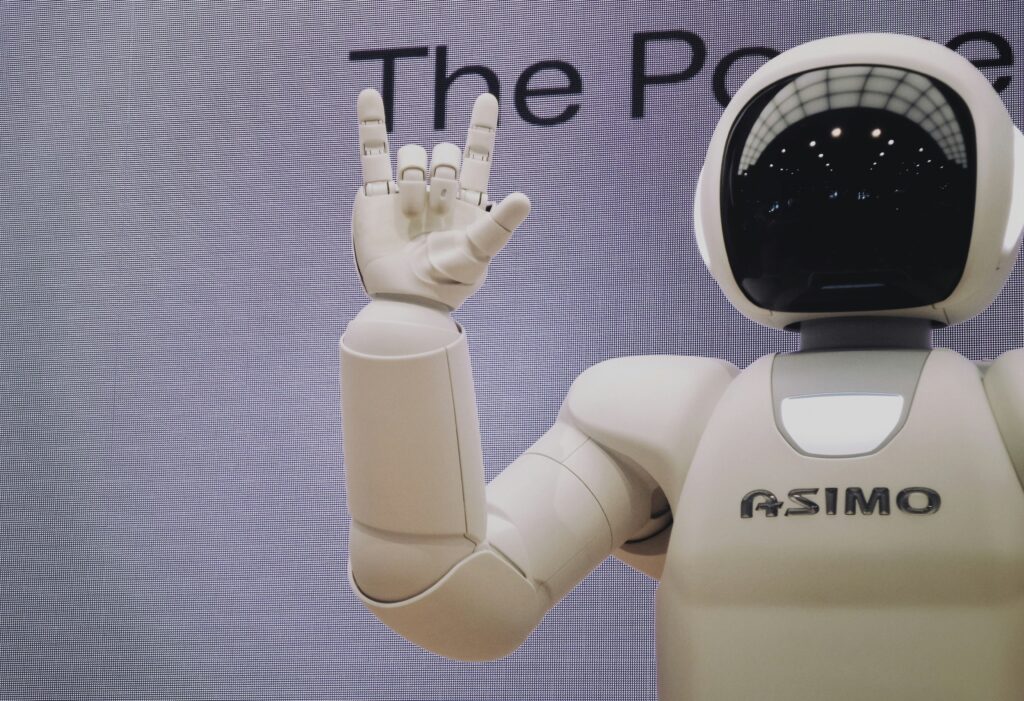
Artificial intelligence is reshaping how we work, learn, and build careers. From automation tools to advanced analytics, AI is handling tasks that once required deep technical expertise. However, in this fast-changing environment, AI era skills are becoming more valuable than coding alone. The abilities that machines cannot replicate — creativity, emotional intelligence, critical thinking, and adaptability — are now the true drivers of long-term success.
While technical knowledge still matters, professionals who focus only on coding risk being replaced by faster and more efficient AI systems. In contrast, those who develop uniquely human strengths will continue to grow and lead in an AI-driven world.
Why AI Era Skills Matter More Than Ever
AI excels at processing large amounts of data, automating repetitive tasks, and identifying patterns. Yet, it lacks human understanding, emotions, and moral judgment. This is where AI era skills become essential.
Humans are needed to:
-
Interpret AI-generated insights
-
Make ethical and strategic decisions
-
Understand emotional and cultural contexts
-
Innovate beyond existing data
AI can support decision-making, but it cannot take responsibility for complex human outcomes.
Creativity: A Skill AI Cannot Replace
Creativity is one of the most important AI era skills. Although AI can generate content or designs based on existing patterns, it cannot truly imagine something original.
Creative thinking helps professionals:
-
Solve complex and unfamiliar problems
-
Develop innovative products and services
-
Combine ideas in new and meaningful ways
In a competitive digital economy, creativity allows humans to stand out where automation cannot.
Emotional Intelligence in the AI Era
Emotional intelligence (EQ) is another critical skill AI cannot master. EQ includes empathy, communication, self-awareness, and relationship management — all essential for leadership and collaboration.
Strong emotional intelligence enables professionals to:
-
Build trust with teams and clients
-
Lead with empathy and clarity
-
Handle conflict and feedback constructively
As workplaces become more automated, human connection becomes even more valuable.
Critical Thinking and Adaptability
AI can provide answers, but humans must ask the right questions. Critical thinking allows professionals to evaluate information, challenge assumptions, and consider long-term consequences.
At the same time, adaptability ensures survival in a constantly evolving tech landscape. Professionals must be willing to:
-
Learn new tools and workflows
-
Adjust to changing job roles
-
Embrace continuous improvement
Together, critical thinking and adaptability form the backbone of future-ready careers.
Humans and AI: A Powerful Partnership
The future is not about AI replacing humans — it is about collaboration. Professionals who combine technical awareness with strong AI era skills can use AI as a productivity partner rather than a threat.
Effective collaboration includes:
-
Letting AI handle repetitive or analytical tasks
-
Focusing human effort on strategy, creativity, and leadership
-
Continuously learning how to work with AI tools
This balance creates smarter, more efficient workflows.
Why These Skills Secure Your Career
By developing skills AI cannot replace, professionals can:
-
Stay relevant despite automation
-
Lead teams through digital transformation
-
Make ethical and strategic decisions
-
Build meaningful careers in any industry
In an AI-driven economy, human value comes from what machines lack — judgment, empathy, and imagination.
Final Thoughts
The AI era is not about humans versus machines. It is about humans evolving alongside technology. While coding and technical skills remain useful, the most crucial abilities are AI era skills — creativity, emotional intelligence, critical thinking, and adaptability.