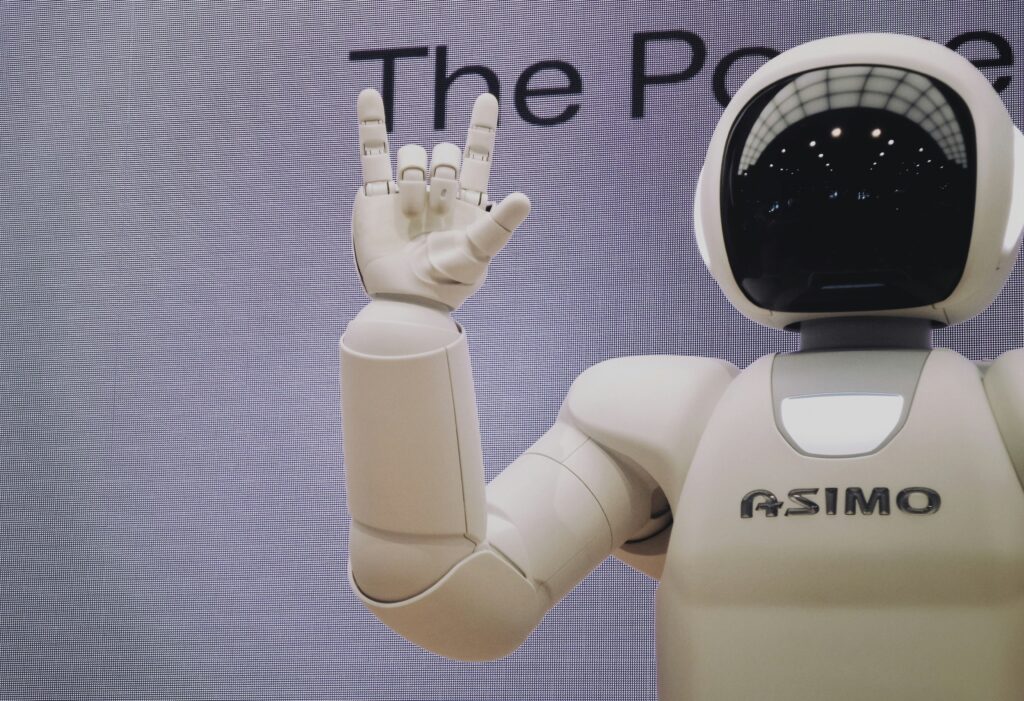

Agentic AI has become one of the most talked-about concepts in the tech world. Everywhere you look, people are claiming that AI can now think independently, make decisions, and complete complex tasks on its own. Inspired by all this hype, I decided to spend my weekend building a small project using agentic AI.
What I expected was a smooth, automated workflow.
What I got was something very close to a nightmare.
The Big Idea
The plan was simple.
I wanted to create an AI agent that could generate content ideas, research them, and write basic blog drafts automatically. The idea was to reduce my workload and let the system handle repetitive tasks while I focused on editing and creativity.
After watching tutorials, reading Twitter threads, and going through online documentation, it all seemed easy. According to the internet, I just needed the right tools, a few prompts, and boom — my personal AI worker would be ready.
Reality had very different plans.
Where Everything Started to Break
The first problem was inconsistency.
Sometimes the agent gave great ideas. Other times, it produced completely irrelevant or repetitive content. It didn’t understand context the way humans do. It followed instructions, but only in a very surface-level way.
Then came the issue of false confidence.
The AI would often claim that a task was “completed successfully” when, in fact, the work was half-done, poorly structured, or missing key points.
Instead of saving time, I found myself:
-
Fixing its mistakes
-
Rewriting content
-
Adjusting prompts again and again
-
Double-checking facts and logic
My “automation project” started to require more manual work than doing the task myself from scratch.
The Biggest Reality Check
The harsh truth is that agentic AI is still far from being fully independent.
It may look smart, but it doesn’t truly understand:
-
Human intention
-
Emotional tone
-
Long-term goals
-
Real-world consequences
At one point, my AI agent even changed the direction of the task based on its own flawed logic — taking the project completely off track. Instead of helping me, it created confusion.
It wasn’t thinking — it was just predicting text very confidently.
What I Learned From This Failure
Although the project didn’t succeed the way I imagined, it taught me some valuable lessons:
-
Agentic AI is a powerful assistant, not a replacement for human judgment.
-
Clear instructions are important, but even perfect prompts won’t guarantee perfect results.
-
AI still lacks deep context understanding and creativity.
-
Over-automation can sometimes slow you down instead of speeding you up.
The biggest mistake is believing the hype without testing reality.
Final Thoughts
Agentic AI definitely has potential. In the future, it might change how we work, manage tasks, and build systems. But right now, it’s still in an experimental phase.
My weekend project may have failed, but it gave me a realistic view of what agentic AI can — and cannot — do in the real world.
And sometimes, that reality check is more valuable than success.